A clean campus floor helps reduce slips, improves indoor air quality, and keeps buildings looking well maintained throughout the school year. In a school with 1,500 students, hallway traffic can exceed 8,000 footsteps every day, while dining areas may need cleaning after 3 to 5 meal periods. Outdoor walkways also bring in sand, leaves, and moisture. Regular sweeping, scrubbing, and scheduled maintenance lower floor wear, reduce cleaning time, and help schools keep classrooms, dining spaces, and outdoor activity areas ready for daily use.
Hallways collect dust, soil, moisture, and small debris from shoes throughout the day. In schools with more than 20 classrooms, entrance corridors usually become the busiest locations between class changes every 45–60 minutes. Daily dry sweeping followed by machine scrubbing removes fine particles before they scratch vinyl, tile, or polished concrete. During wet weather, entrance mats should be cleaned several times each day because a saturated mat loses much of its ability to capture dirt, leading to more cleaning inside the building.
That daily traffic also affects nearby common areas, so cleaning schedules should match how each space is used. Instead of cleaning every floor with the same routine, many facilities divide work into morning preparation, midday touch-ups, and evening deep cleaning. Schools that follow this type of schedule often report lower labor hours spent on emergency spill cleanup because small problems are removed before they spread to larger sections of the building.
The canteen requires different equipment because food waste behaves differently from hallway dust.
Grease, sugary drinks, cooking oil, and food particles can remain on the floor after every lunch period. In schools serving 800 to 2,500 meals per day, dining floors may require machine scrubbing two or three times daily. Neutral or food-safe cleaning products help remove residue without leaving slippery surfaces, while table legs, serving counters, and beverage stations deserve extra attention because spills happen there more often than in open walking areas.
Cleaning playgrounds and outdoor walkways depends on weather, season, and surface material. Rubber play surfaces, asphalt, concrete, and synthetic sports courts all collect leaves, sand, mulch, and litter. After heavy rain, standing water should be removed quickly to reduce slipping. During autumn, leaf removal may increase by 30–50% compared with summer maintenance. Pressure washing once every 3 to 6 months helps remove algae and stains from hard outdoor surfaces without affecting daily school activities.
Different floor materials also need different maintenance intervals.
| Floor Type | Daily Care | Deep Cleaning |
|---|---|---|
| Vinyl | Sweep + scrub | Every 1–2 months |
| Ceramic Tile | Sweep + mop | Monthly grout cleaning |
| Polished Concrete | Dust mop + scrub | Every 2–3 months |
| Rubber Flooring | Soft sweeping | Monthly machine wash |
Using equipment that matches the flooring reduces unnecessary wear and keeps cleaning time consistent throughout the year.
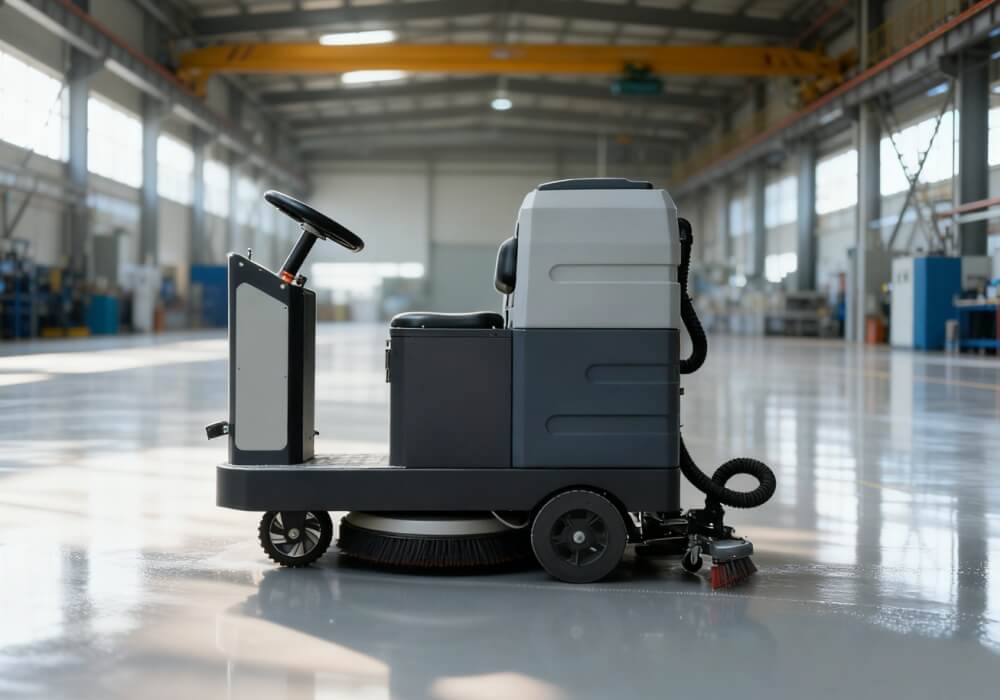
Modern campuses increasingly rely on battery-powered floor scrubbers because they produce lower noise levels and allow staff to clean occupied buildings with less disruption. A walk-behind scrubber can clean approximately 2,000–3,500 m² per hour, while larger ride-on models may exceed 5,000 m² per hour under open-floor conditions. Microfiber pads also use less water than traditional string mops, helping maintenance teams reduce water consumption during routine cleaning.
Equipment performs better when supported by regular inspection.
Brushes, squeegees, batteries, and solution filters should be checked every week. Replacing worn squeegee blades before they fail helps prevent water streaks that may increase slip risk. Many maintenance departments also inspect machines after every 200 operating hours to reduce unexpected downtime during busy school terms.
Staff training remains an important part of campus maintenance. New employees should learn floor identification, chemical dilution, machine operation, and safe storage procedures before working independently. Refresher training every 6 or 12 months helps maintain consistent cleaning quality across different shifts. Wet-floor signs should always remain visible until surfaces are completely dry, particularly around entrances, dining halls, and restroom corridors.
Many educational facilities also review cleaning products each year to improve sustainability. Low-VOC detergents, refillable chemical systems, and washable microfiber materials reduce packaging waste while maintaining cleaning performance. Several school districts have also introduced battery-powered equipment to reduce indoor emissions and lower maintenance requirements compared with older fuel-powered machines.
Schools planning long-term maintenance often work with professional suppliers that understand educational facilities. Products and equipment designed for LVTONG campus cleaning can support daily floor care across classrooms, hallways, canteens, and outdoor spaces. More information is available at LVTONG campus cleaning, where different cleaning solutions for schools and public facilities are presented.