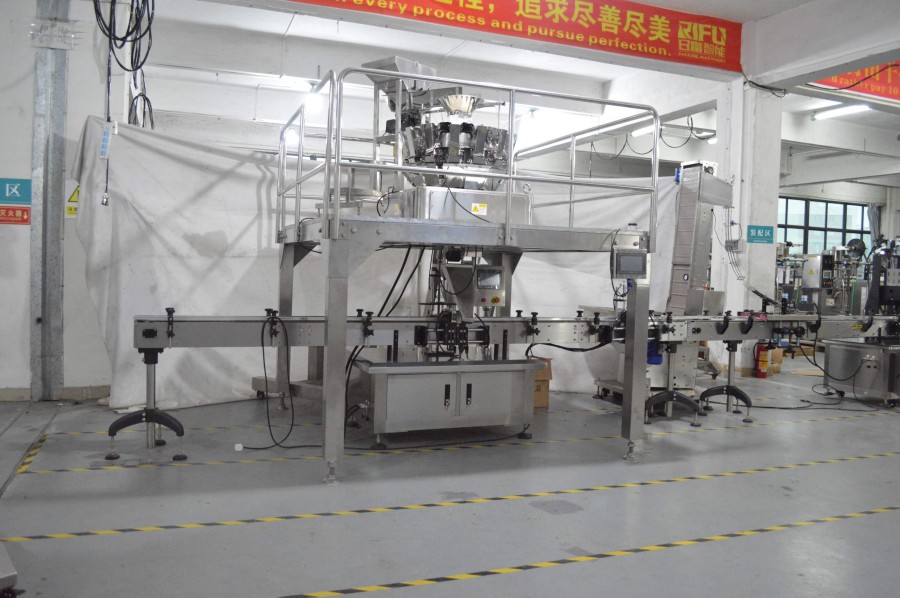
Professional packaging machinery manufacturers should provide complete services covering engineering consultation, customized design, equipment testing, installation, training, maintenance, spare parts supply, and technical upgrades. A supplier with full lifecycle support can help factories reduce downtime by 15%–30%, improve production efficiency, and maintain stable packaging quality throughout years of operation.
Packaging machinery buyers today evaluate suppliers beyond machine specifications. A machine with high speed but poor technical support may create production delays, while a well-supported system can maintain consistent output for many years. Professional manufacturers usually combine mechanical engineering, automation knowledge, and customer service to support different production environments.
A reliable supplier starts with detailed project consultation before building equipment. Engineers need to understand product size, packaging materials, production volume, factory conditions, and future capacity plans. A beverage company producing 20,000 bottles per hour requires different solutions from a pharmaceutical company handling small sterile products.
The consultation stage normally includes:
| Service Area | Details |
|---|---|
| Product analysis | Size, weight, material characteristics |
| Production review | Target speed, working hours, output requirements |
| Factory planning | Space, power supply, workflow arrangement |
| Packaging requirements | Sealing, labeling, filling, inspection standards |
According to manufacturing reports from 2023, customized production planning can help companies improve line efficiency by around 10%–25% compared with using equipment selected only by basic specifications.
After understanding customer requirements, manufacturers need to provide suitable equipment design. Many factories cannot use standard machines without adjustments because packaging conditions vary between industries. Materials such as plastic film, paperboard, glass containers, and flexible pouches require different handling methods.
Modern automatic packaging machines often include adjustable conveyors, programmable controls, sensors, and automatic inspection functions. These systems allow factories to handle different products while maintaining stable packaging quality.
Professional design services often include:
-
Machine structure modification
-
Production speed adjustment
-
Custom feeding systems
-
Software parameter configuration
-
Integration with existing production lines
A 2022 survey of industrial automation users showed that properly configured packaging equipment could reduce manual packaging requirements by 20%–40%, especially in high-volume manufacturing environments.
Equipment quality depends heavily on manufacturing standards and testing procedures. A professional packaging machinery manufacturer should control each stage from component selection to final machine inspection. Motors, sensors, pneumatic parts, and electrical systems must work together accurately because small errors can affect the entire production line.
Manufacturers should provide:
| Quality Process | Purpose |
|---|---|
| Component inspection | Confirm supplier quality |
| Assembly testing | Check mechanical accuracy |
| Electrical testing | Verify control system operation |
| Factory acceptance test | Confirm production performance |
Before delivery, many manufacturers perform continuous running tests for several hours or days. For example, a packaging line designed for 24-hour production may be tested under repeated operating conditions to confirm speed stability and packaging accuracy.
Installation service is another important part of professional support. Even advanced equipment may not reach expected performance if installation and adjustment are incomplete. Experienced engineers should assist with machine positioning, electrical connection, parameter setup, and production trials.
A complete installation process usually covers:
-
Mechanical assembly
-
Machine calibration
-
Safety system inspection
-
Trial production
-
Performance confirmation
Industrial customers commonly expect installation periods between 3 and 14 days depending on machine complexity. Large integrated packaging systems may require longer commissioning periods because multiple machines must operate together.
Training services help operators use equipment correctly and maintain stable production. Packaging machines often include PLC controls, touch-screen interfaces, sensors, and automatic adjustment systems. Without proper training, operators may spend more time solving simple operating issues.
Professional manufacturers should provide training related to:
-
Daily machine operation
-
Basic maintenance procedures
-
Common error handling
-
Safety requirements
-
Replacement procedures
Manufacturing studies published between 2020 and 2024 found that structured operator training programs could reduce operation-related interruptions by approximately 20%–35% in automated factories.
After installation, technical support becomes necessary throughout the machine lifecycle. Production environments change over time, and equipment may require parameter adjustments, replacement parts, or software updates.
A professional after-sales system should include:
Remote technical assistance, scheduled maintenance advice, and fast response services help customers keep production lines running with fewer interruptions.
Many manufacturers now provide remote diagnosis through digital communication systems. Engineers can review machine status, identify abnormal conditions, and guide local teams without waiting for physical visits. This approach can shorten troubleshooting time by more than 30% in many industrial applications.
Spare parts supply is another service that affects long-term equipment performance. Packaging machinery contains components that naturally wear after repeated operation, including sealing parts, belts, cutting blades, sensors, and pneumatic elements.
A professional supplier should offer:
| Spare Parts Service | Description |
|---|---|
| Standard parts list | Recommended replacement items |
| Maintenance schedule | Replacement timing guidance |
| Original components | Stable compatibility |
| Emergency supply | Faster production recovery |
For factories operating continuously, having commonly used spare parts available can reduce waiting periods from several weeks to only a few days.
Energy efficiency and environmental requirements have also become important factors in packaging equipment selection. Many manufacturers now improve machine design through efficient motors, optimized heating systems, and better control software.
Examples of improvement areas include:
-
Lower compressed air consumption
-
Reduced material waste
-
More efficient heating control
-
Improved machine standby functions
Equipment upgrades introduced between 2018 and 2025 have helped some factories reduce energy consumption by 10%–25%, depending on production conditions and machine design.
Professional manufacturers also provide improvement services after delivery. Production requirements may change when companies introduce new products, increase output targets, or update packaging formats. Suppliers with engineering teams can help adjust equipment instead of requiring complete replacement.
Long-term technical services may include:
-
Production speed optimization
-
New packaging format support
-
Software updates
-
Additional automation modules
-
Equipment expansion planning
A packaging machine is usually expected to operate for many years, so supplier cooperation should continue after delivery. Manufacturers that provide complete engineering support, maintenance assistance, and improvement services help customers maintain stable production from initial installation through long-term operation.
The service capability of a packaging machinery manufacturer reflects its ability to support real production needs. Companies selecting suppliers should consider not only machine price and specifications but also engineering experience, technical response speed, spare parts availability, and long-term cooperation ability.