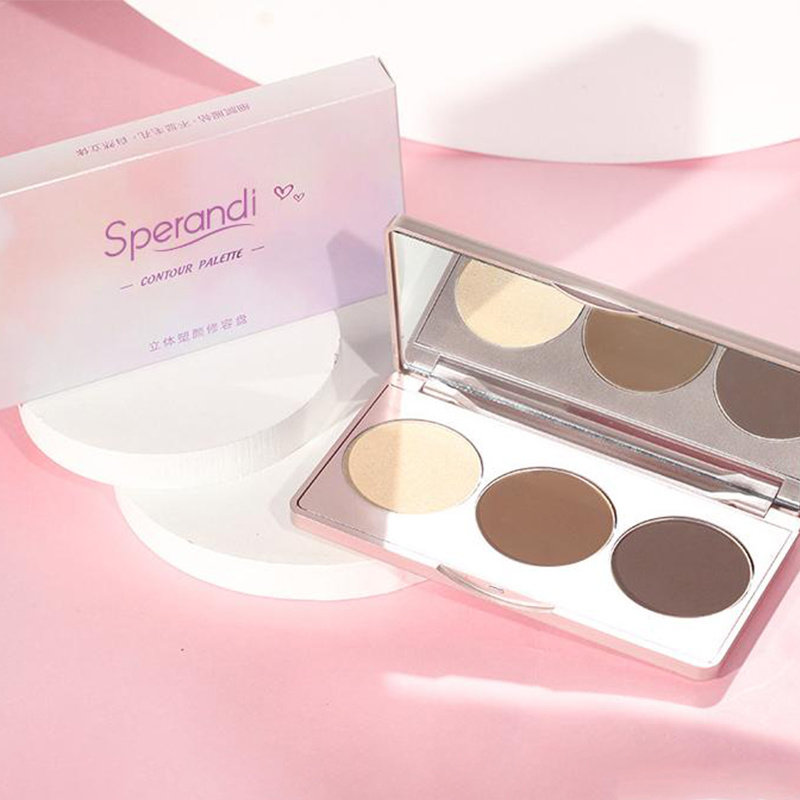
Reliable color cosmetics production depends on controlled raw materials, validated formulas, measured processing conditions, microbiological testing, packaging checks, batch records, and final release testing. ISO 22716:2007 provides internationally recognized GMP guidance for cosmetic production, control, storage, and shipment and was reconfirmed in 2022. In the United States, MoCRA added facility registration, product listing, safety substantiation, adverse-event reporting, and broader FDA oversight. As of June 30, 2026, FDA reported 16,398 active cosmetic facility registrations and 1,298,361 active product listings. Quality therefore has to be documented at ingredient, bulk, filled-product, and finished-pack stages rather than judged only by appearance.
Manufacturing control starts before pigments, waxes, oils, silicones, preservatives, film formers, and powders reach a mixing vessel. Each incoming lot should be matched against an approved specification and supplier document set. Depending on the material, receiving tests can cover identity, appearance, odor, moisture, viscosity, pH, particle characteristics, microbial limits, and impurity levels. A pigment that passes an INCI-name check can still produce a different shade or dispersion profile if particle size or surface treatment differs from the approved reference.
A Certificate of Analysis is useful, but production release should rely on an agreed specification, lot identification, receiving checks, and documented acceptance criteria.
Mineral pigments deserve more attention because naturally occurring impurities can enter the formula through mined or processed materials. FDA evaluated 685 cosmetic products in surveys conducted from 2009 to 2012 when studying lead in lip and externally applied cosmetics. More than 99% of the products surveyed contained less than 10 ppm lead, supporting FDA's recommended maximum level of 10 ppm when manufacturers use suitable raw-material sourcing and good manufacturing practices.
That raw-material control needs to continue into formulation because color products use combinations of pigments rather than one isolated colorant. A foundation may contain iron oxides, titanium dioxide, fillers, emollients, emulsifiers, polymers, humectants, preservatives, and water. Lip products commonly contain waxes and oils representing more than half of total product weight, together with pigments, esters, polymers, fragrance materials, and other functional ingredients. FDA notes that cosmetic formulas generally contain no more than about 20% color additives in the products reviewed for its lead assessment.
For brands working with color cosmetics manufacturers China, a formula specification should therefore describe more than the ingredient list. Useful manufacturing documents include exact ingredient percentages, permitted weighing tolerances, addition sequence, mixing temperature, shear rate, mixing time, cooling profile, bulk appearance, target viscosity, target pH where relevant, and an approved color reference. A supplier change or pigment-lot substitution should be assessed before the material enters a commercial batch.
Formula control becomes especially important during pigment dispersion. Poor dispersion can produce streaking, uneven coverage, visible particles, settling, weak payoff, or shade differences. Depending on the system, factories may use high-shear mixers, homogenizers, three-roll mills, or bead mills. Process settings should be recorded rather than left to operator judgment because changing mixing time from 20 minutes to 40 minutes or altering temperature by several degrees can affect viscosity, pigment wetting, and the visual finish of the bulk.
Production controls can be organized around measurable checkpoints rather than one final inspection:
-
weighing verification before material addition;
-
equipment status and cleaning confirmation before batching;
-
temperature and mixing-time records during processing;
-
bulk color, odor, viscosity, pH, density, or appearance checks before filling;
-
fill-weight and packaging checks during the production run;
-
finished-product testing and quality release after packaging.
ISO 22716:2007 covers production, quality control, storage, and shipment and remains current after its 2022 confirmation. It provides a useful framework for separating material status, production activities, quality checks, deviations, complaints, recalls, and documentation.
Microbiological control adds another layer, particularly for foundations, liquid concealers, cream blushes, mascaras, and other products containing water. A preservative cannot compensate for dirty equipment, contaminated water, poor personnel hygiene, or uncontrolled filling conditions. Manufacturers therefore control purified-water quality, equipment cleaning, storage time for bulk product, environmental hygiene, and microbial acceptance limits alongside preservative performance.
The EU Cosmetics Regulation 1223/2009 requires the Cosmetic Product Safety Report to address microbiological quality and specifically calls for results of preservation challenge testing where relevant. The same regulation calls for added attention to cosmetics used around the eyes, on mucous membranes, on damaged skin, on children under 3 years old, and on users with reduced immune protection.
| Control point | Typical measurement | Manufacturing purpose |
|---|---|---|
| Raw pigments | Identity, appearance, impurity data | Prevent wrong material and unsuitable lots |
| Foundation bulk | pH, viscosity, color, uniformity | Confirm formula consistency before filling |
| Lip product bulk | Shade, texture, processing behavior | Reduce shade and molding differences |
| Filled units | Net content, closure, leakage | Confirm filling and assembly |
| Finished batch | Microbiology, appearance, labeling | Support release documentation |
Packaging has to be assessed with the formula rather than approved only from an empty component. Oils, solvents, fragrance materials, volatile carriers, and pigments can interact with plastics, elastomers, coatings, adhesives, pumps, wipers, and printed surfaces. Compatibility studies commonly observe leakage, discoloration, cracking, swelling, evaporation, pump output, cap fit, label adhesion, and formula appearance over defined storage periods.
Temperature studies add information that room-temperature inspection cannot provide. Samples may be stored at elevated temperature, reduced temperature, normal room conditions, or through repeated temperature cycles. A lipstick can soften, sweat, fracture, or lose surface quality; a liquid foundation can separate, thicken, lose viscosity, change odor, or show package interaction. Results should be compared with an approved baseline at planned intervals rather than assessed only at the end of the study.
One acceptable sample on day 1 does not show whether the same formula and package will remain acceptable after months of storage and transport.
Shade control requires similar discipline. Visual comparison remains useful, but lighting, observer differences, pigment distribution, and application thickness can alter perception. Many manufacturers combine approved physical standards with instrumental color measurement. A commercially approved shade should have a defined reference, batch number, viewing condition, and permitted range so that production staff are not approving one batch from memory.
The finished cosmetic must also match its declared quantity and packaging configuration. During a run of 10,000 units, checking only the first filled unit provides little information about later filler drift, cap torque, label position, or component changes. In-process sampling at defined intervals allows the production team to identify changes before the entire batch is packed. Sampling frequency should be based on the process, equipment, batch size, and written quality plan rather than an informal inspection routine.
Regulatory documentation adds another measurable requirement. Under the U.S. Modernization of Cosmetics Regulation Act of 2022, responsible persons must maintain adequate safety-substantiation records, and serious adverse events associated with cosmetic use must be reported to FDA within 15 business days. Facility registrations subject to the requirement must be renewed every 2 years. FDA also states that registration or product listing is not an approval program and does not create an FDA certificate for the cosmetic.
EU requirements use a different structure. Regulation 1223/2009 requires a safety assessment before market placement, a Cosmetic Product Safety Report, a manufacturing method with a GMP statement, and a Product Information File. The Product Information File must be retained for 10 years after the date on which the last batch was placed on the market. The regulation also requires sampling and analytical work to be reliable and reproducible.
Batch records connect the physical product to its manufacturing history. A useful record set can identify the raw-material lot, packaging lot, formula revision, weighing record, manufacturing date, equipment used, processing settings, bulk test results, filling line, in-process checks, finished-product results, deviations, and release authorization. If 2 units from a 20,000-unit batch later develop leakage, staff can compare the affected package lots, retained samples, production records, and compatibility data instead of inspecting unrelated batches.
Release authority should remain separate from ordinary production output. Completing filling does not establish that the goods meet specification. Quality staff should review the batch record, required test results, packaging status, label information, deviations, and applicable market documents before shipment approval. A batch should be released from documented results, not from the fact that production has finished.
Post-market records then feed back into future manufacturing. Under MoCRA, FDA can access certain cosmetic safety records under specified conditions and has mandatory recall authority where statutory conditions are met. Manufacturers supplying the U.S. market therefore need complaint records that preserve product name, lot number, event description, timing, sample information where available, investigation findings, and follow-up.
Supplier assessment should use the same level of detail. Instead of asking only whether a factory “has GMP,” buyers can review calibration records, recent batch records, incoming-material procedures, microbiology capability, deviation handling, retained samples, line-clearance records, package testing, and change-control procedures. A review of 3 recent commercial batches can show more about repeatability than a staged showroom visit because the records expose whether the same formula, process limits, testing plan, and release requirements were followed more than once.